
1) Which art movement do you consider most influential on your practice?
Researching traditional Chinese calligraphy and landscape painting has been incredibly influential to my practice, both aesthetically and within the wider context of intention when creating work.
2) Where do you go and when to make your best art?
Having an organised workspace is incredibly important to me when planning projects and working on these ideas. I need a studio that is relatively spacious and has good lighting, ideally, I head there in the morning and spend a few hours collecting myself before I begin making. Whilst this is my general routine, I always try to capitalize on impulsive moments of inspiration that could inform my work, either by drawing, photography or using found objects that I can rationalize back in my studio.
3) How do you describe your 'creative process'?
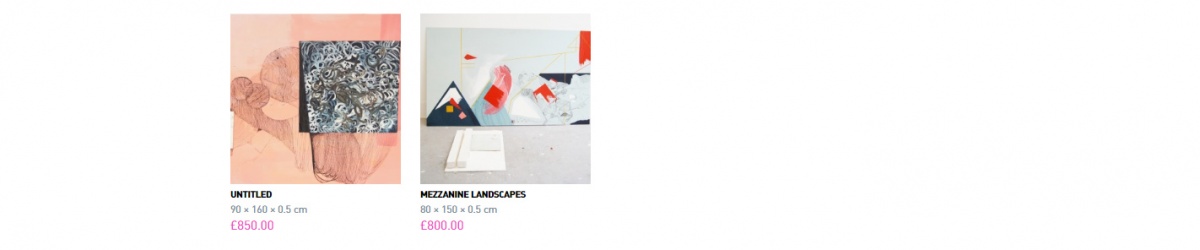
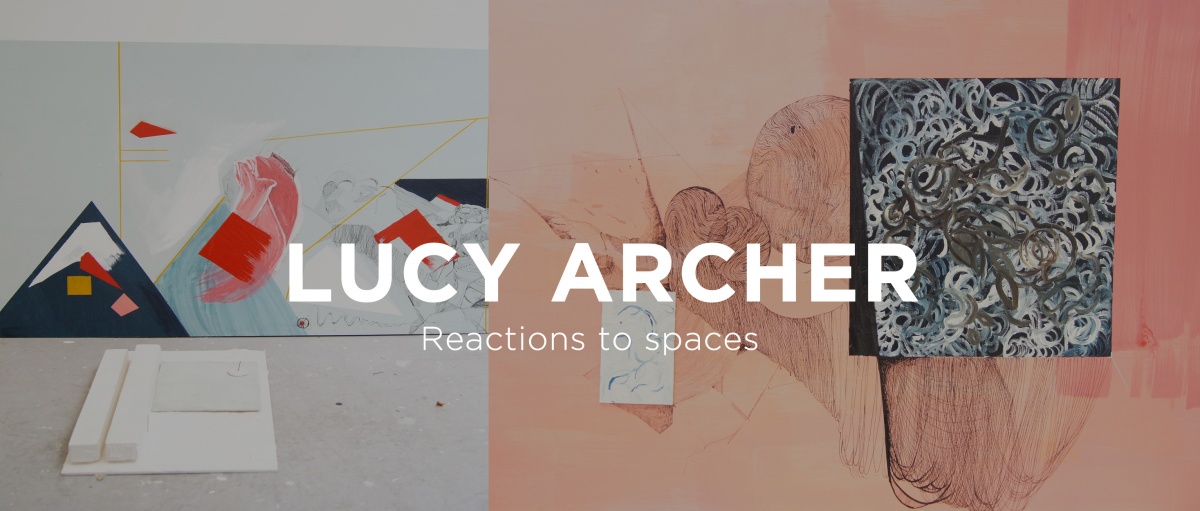
My creative process is a series of reactions to different spaces- landscapes, interiors and my own constructed images. I attempt to translate these reactions visually, the initial response can be impulsive, messy and unresolved but is often important.
I use these experiments to archive the physicality of my reactions, which I cyclically revisit to inform future pieces. To resolve this process, my work does not need to echo the initial marks and movements that space has inspired but rather needs to produce a balanced and spatially interesting image that explores depth in a new way.
4) Which artist, living or deceased, is the greatest inspiration to you?
5) If you weren't an artist, what would you do?
Open a restaurant
6) What do you listen to for inspiration?
John Cage, Philip Glass, the Spirited Away soundtrack.
7) If you could own one artwork, and money was no object, which piece would you acquire?
Brice Marden's Cold Mountain series
8) If your dream museum or collection owner came calling, which would it be?
I'm not picky, anyone's welcome
9) What is your key piece of advice for artists embarking on a fine art or creative degree today?
Keep making work, even when it doesn't feel exciting. When it does feel exciting get others involved.
10) What is your favorite book of all time (fiction or non-fiction)?
Philip Pullman's His Dark Materials
11) If you could hang or place your artwork in one non-traditional art setting, where would that be?
Have it built into a mountain or large landmass
12) What was the biggest lesson your university course or time studying taught you?
The value of working with other talented and ambitious young artists.
13) And finally, if we were to fast forward 10 years, where would we find you?
Hopefully near the sea, making more work.